My Waterfront to Underworld Day: Dolmabahçe, the Cistern, and Dinner by the Walls
I spent a crisp morning studying waterfront foundations at Dolmabahçe Palace before hopping the T1 tram straight to Sultanahmet's sunken cistern and wrapping up by Topkapı's ancient walls.
Morning at the Water's Edge: Dolmabahçe Palace
Every time I land in Istanbul for a stopover, my construction brain starts calculating distances, structural foundations, and transit run times. On this trip, I decided to pair two radical engineering achievements built thirteen centuries apart: the nineteenth-century imperial palace at Dolmabahçe on the European waterfront, and the sixth-century underground water reservoir in Sultanahmet.
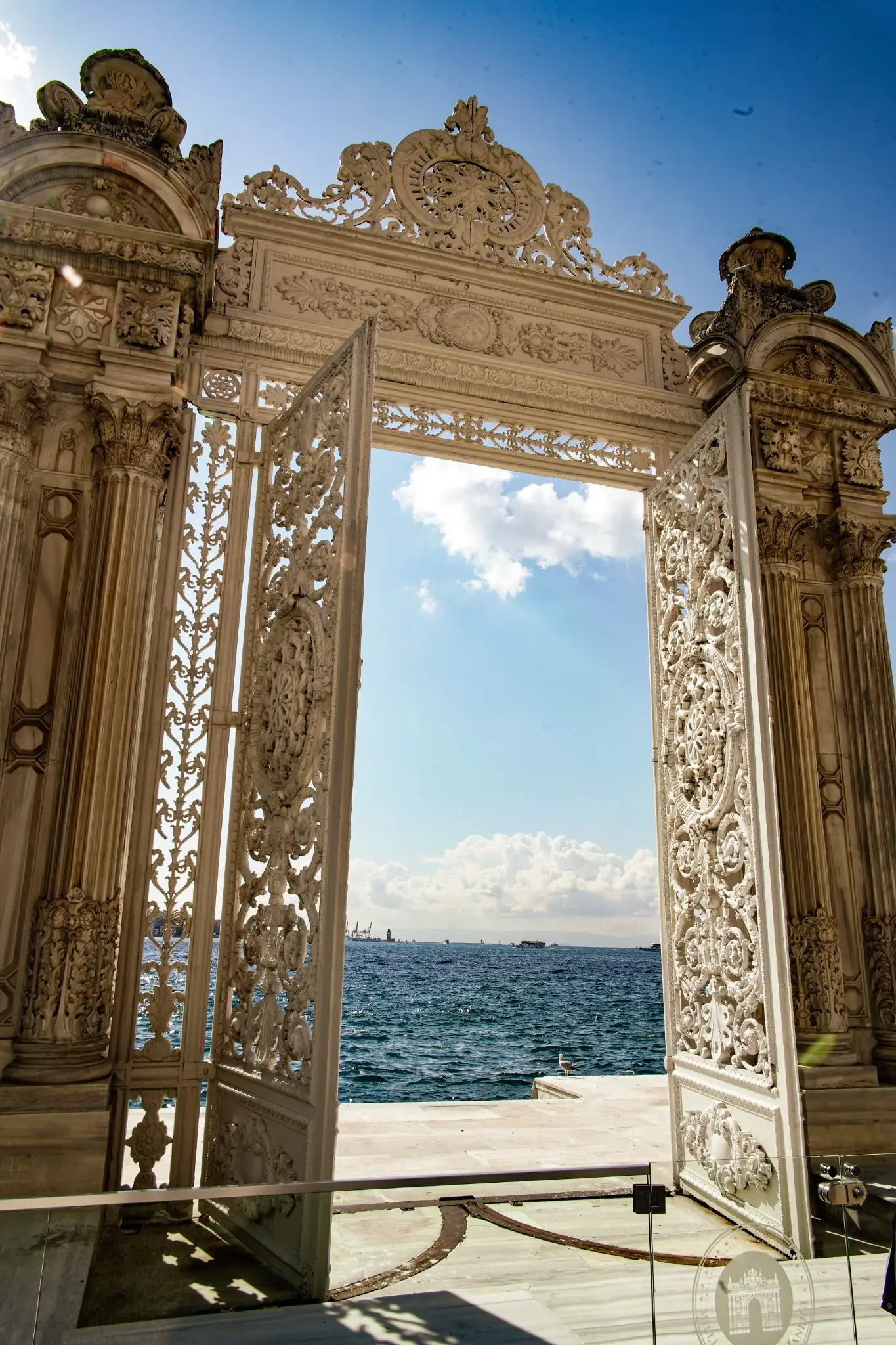
I arrived at Dolmabahçe Palace in Beşiktaş just after the gates opened. The first thing that struck me was the sheer ambition of the site. The entire neoclassical complex sits right on the shoreline of the Bosphorus, anchored into reclaimed land where the Ottoman fleet once anchored. Standing along the seaside esplanade, looking through the ornate wrought-iron gates straight out into the swift currents of the strait, I found the setting breathtaking.
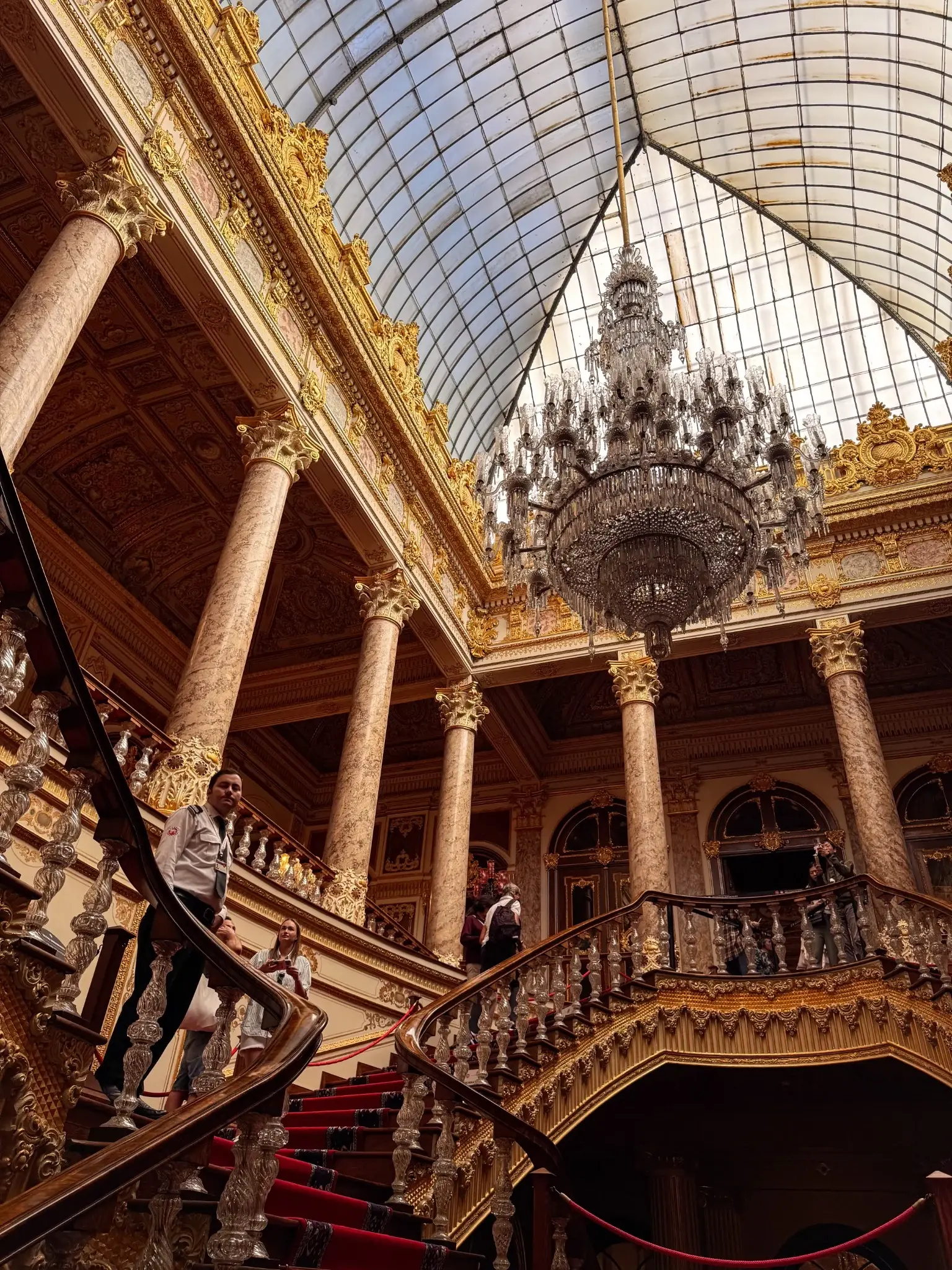
Inside, visits follow a strictly guided, sequential route through the state rooms, known as the Selamlık. I walked along the perimeter corridors, checking out the intricate parquet floors and the sheer weight of the masonry overhead. The central showstopper is the crystal staircase, a double-horseshoe flight framed by Baccarat crystal balusters under a sweeping glass ceiling. Seeing how the builders brought natural light down through the center of a massive stone structure felt remarkably modern.
From there, the official path led into the grand Ceremonial Hall. The dome here is staggering in scale, hanging high above a cavernous interior completely free of central pillars, centered on an enormous English crystal chandelier that weighs over four metric tons. Further down the corridor, I passed the quieter quarters of the Harem and the bedroom where Mustafa Kemal Atatürk lived his final days. The whole visit took me just under two hours at an unhurried, steady walk.
The T1 Tram Across the Golden Horn
Instead of dealing with Istanbul's stop-and-go coastal traffic, I relied entirely on the city's rail spine to shift between eras. From the outer gate of Dolmabahçe, I walked southwest along the waterfront avenue for about eight minutes until I reached the Kabataş transit terminal.
At Kabataş, I tapped into the T1 tram line. For my money, the T1 is one of the best urban transit rides in the world. I grabbed a window seat, and the tram rolled through Tophane and Karaköy before clattering out over the lower deck of the Galata Bridge. Watching the ferries slip into their slips at Eminönü while the minarets of the Historic Peninsula climbed up the ridge ahead gave me my bearings instantly.
Once across the Golden Horn, the tram crawled up the hill through Sirkeci and Gülhane Park, arriving at the Sultanahmet stop in roughly eighteen minutes flat. No gridlock, no cab negotiations—just simple, predictable rail logistics.
Stepping Underground: The Basilica Cistern
Stepping off the tram into Sultanahmet Square, the shift in energy was immediate. Hagia Sophia dominated the skyline to my right, but I crossed the tram tracks to head below ground into the Basilica Cistern.
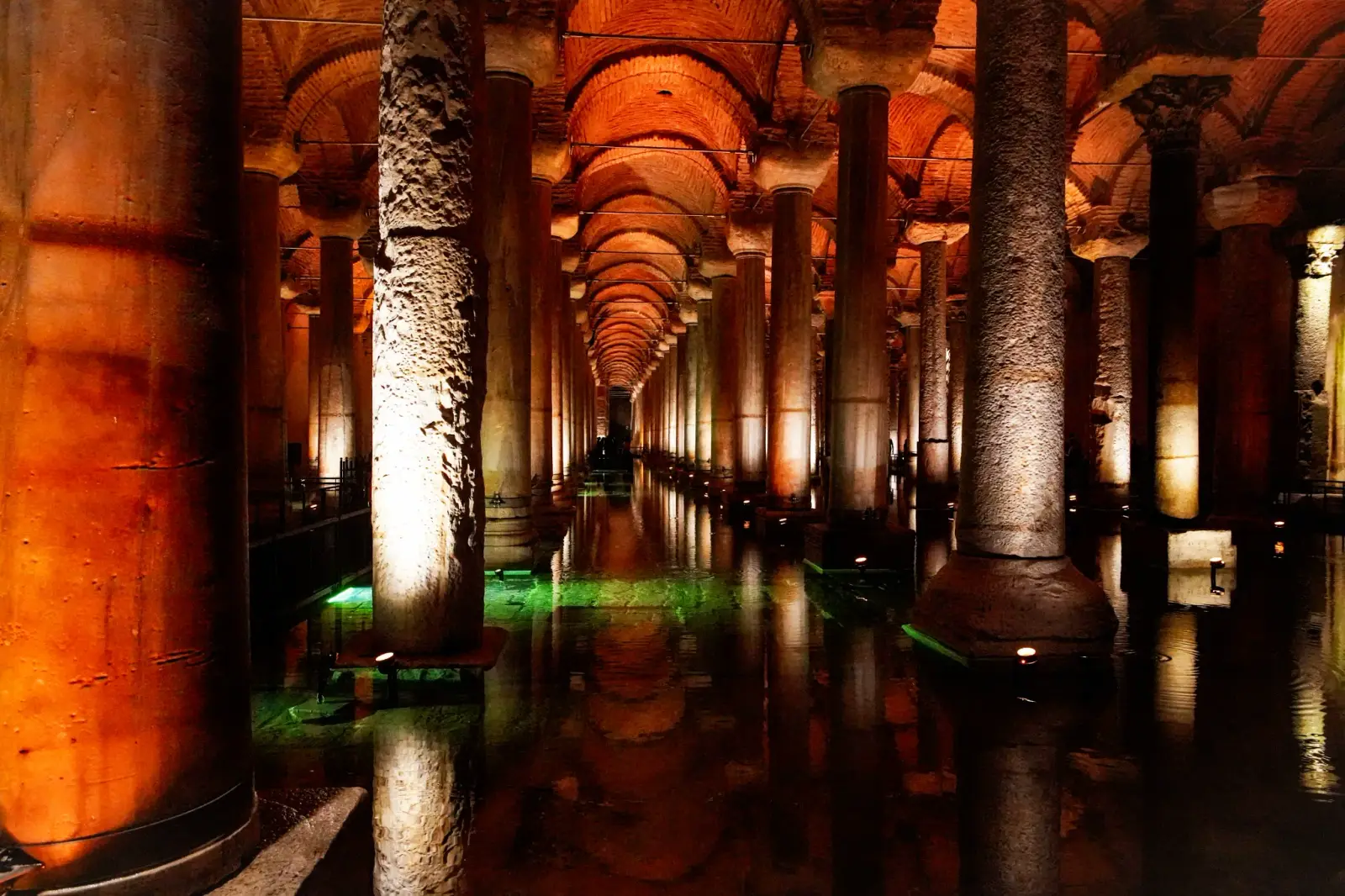
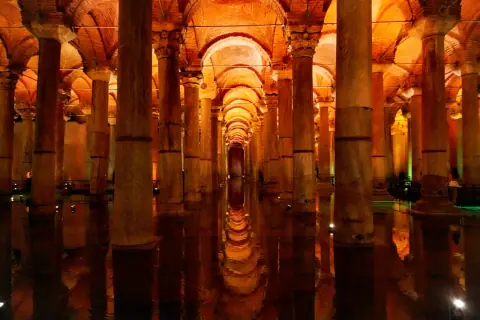
I walked down the wide stone steps into the subterranean vault and instantly felt the cool, damp air hit my skin. Coming straight from the gilded ceilings and open sunlight of Dolmabahçe, entering this sixth-century reservoir felt like stepping into an inverted world. The structure was built under Emperor Justinian to supply water to the Great Palace of Constantinople, and seeing hundreds of marble columns rising out of the calm, shallow water made the scale of Roman engineering hit home immediately.
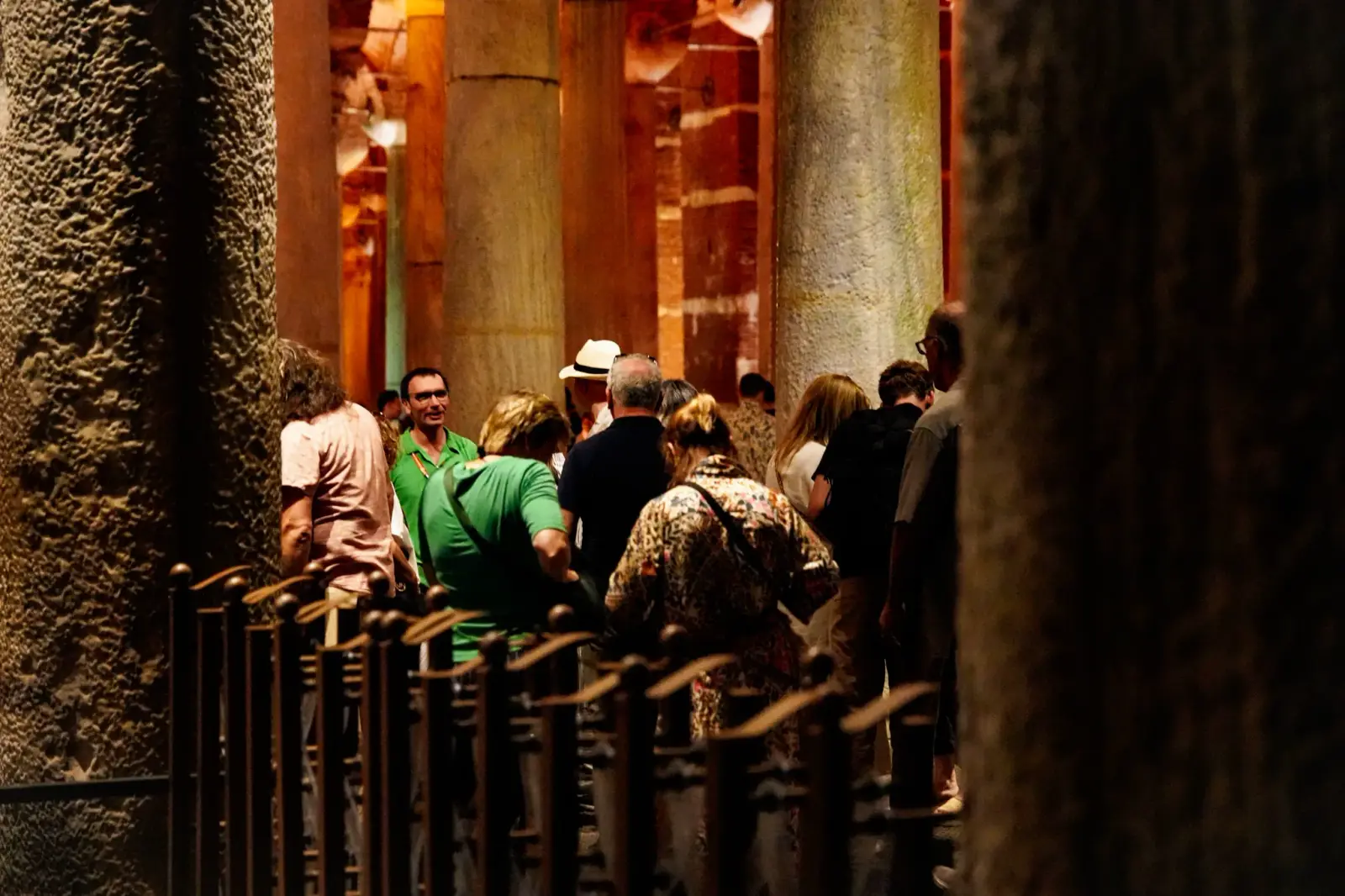
I followed the raised wooden walkways that meander between the stone bays. Subtle lighting slowly shifts across the arches overhead, revealing the original Byzantine brickwork and mortared vaulting. Along the way, I stopped at the Weeping Column, its damp surface carved with teardrop-shaped relief carvings, before continuing toward the northwest corner of the hall.
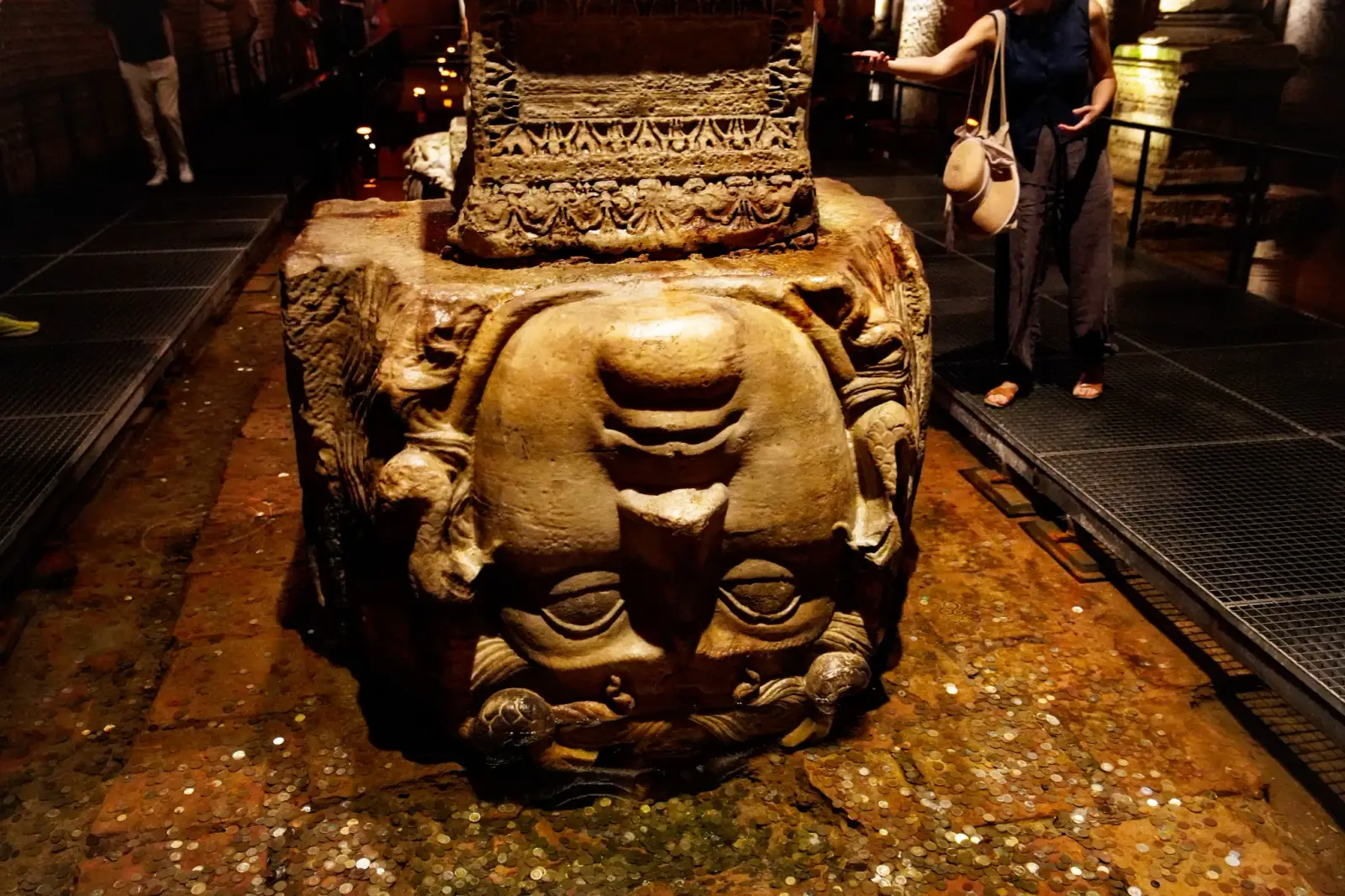
In that far corner sit the two famous Medusa head bases. One is turned on its side, and the other is completely inverted beneath the shaft of a massive pillar. Looking down at the carved serpentine hair submerged in shallow water, I could see how practical Byzantine builders were: these were repurposed antique blocks used purely for structural load support, placed without regard for the upright orientation of the mythic face. The underground loop took me about forty-five quiet minutes to walk from start to finish.
Dinner Along the Palace Walls: Chimney Bistro
Emerging back into the late-afternoon daylight, I took a five-minute walk past the north flank of Hagia Sophia. I slipped onto Soğuk Çeşme Street, a quiet pedestrian cobblestone lane that runs right between restored wooden Ottoman houses and the high stone perimeter walls of Topkapı Palace.
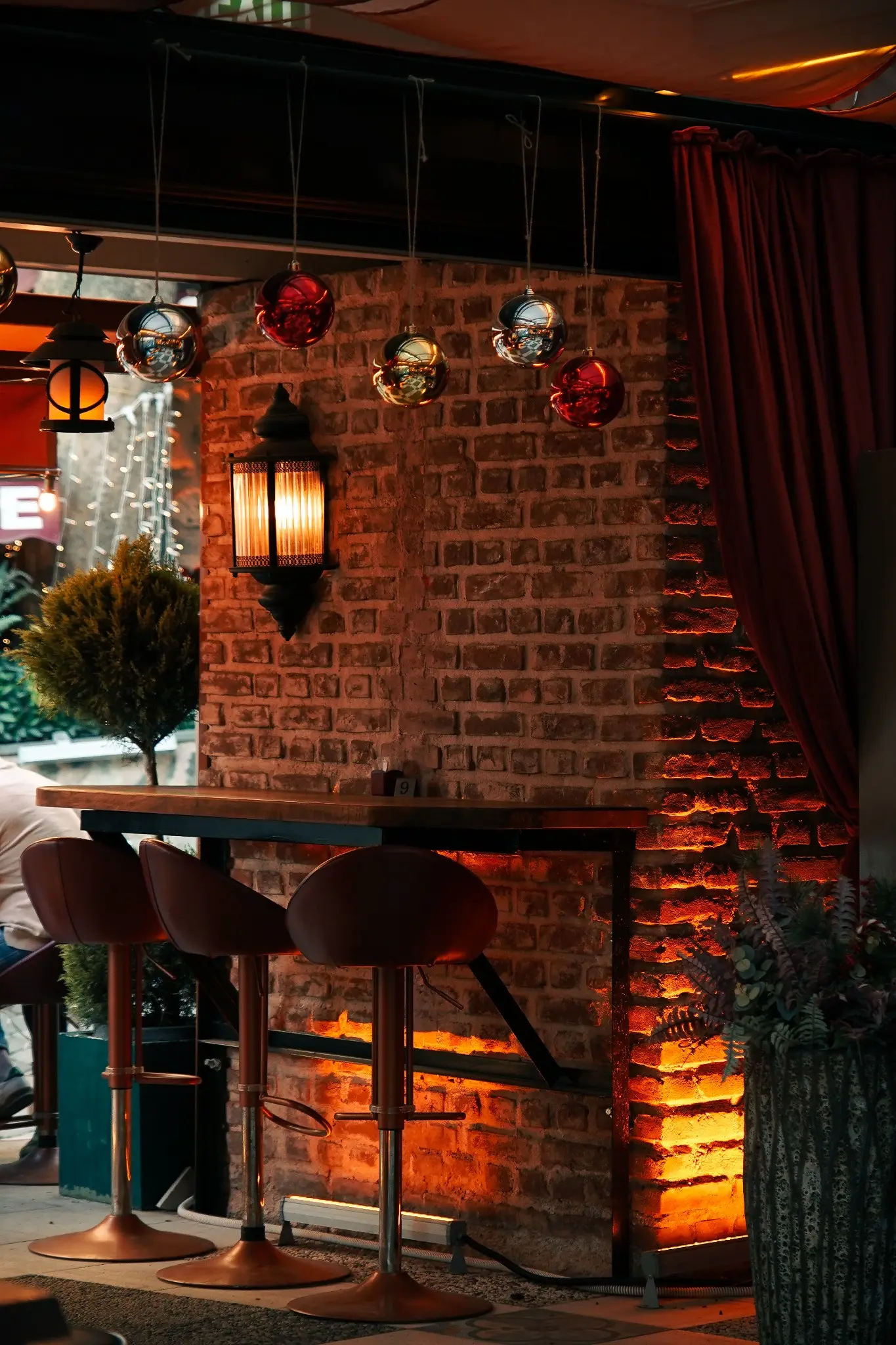
Right along this stretch sits Chimney Bistro. After spending the day covering several miles of hard marble and pavement, settling into their cozy space was exactly what I needed. The interior has an exposed brick bar and a relaxed, unpretentious feel, along with an open roof area that catches the evening breeze off the nearby hill.
I ordered the Chimney Combo, which paired a hearty main dish with a cold drink. I went with their freshly baked pide topped with seasoned minced beef, paired with a local craft beer. Sitting at the table, running through my notes from the morning at the waterfront and the afternoon in the stone reservoir, I appreciated how easy the logistics had been. Being steps away from the tram line while sitting in the quiet shadow of the old palace walls made it a great spot to wrap up the day.
Book a table and the meal comboChimney Bistro, Sultanahmet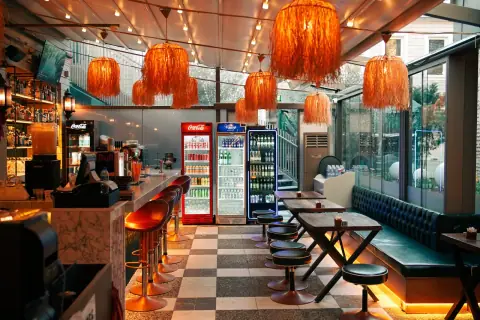
What Worked for My Day
- Splitting the day between water and stone: Doing Dolmabahçe first thing in the morning gave me open waterfront air before the sun got high, while the underground cistern was the perfect cool-down stop for the afternoon.
- Relying on the T1 tram: Taking the tram directly from Kabataş to Sultanahmet removed all guesswork about street traffic, keeping my transit time under twenty minutes.
- Finishing tucked away in Sultanahmet: Ending the route on Soğuk Çeşme Street at Chimney Bistro avoided the crowded main avenues while keeping me within a five-minute stroll of the evening tram back to my hotel.